







Search Results for: social anxiety
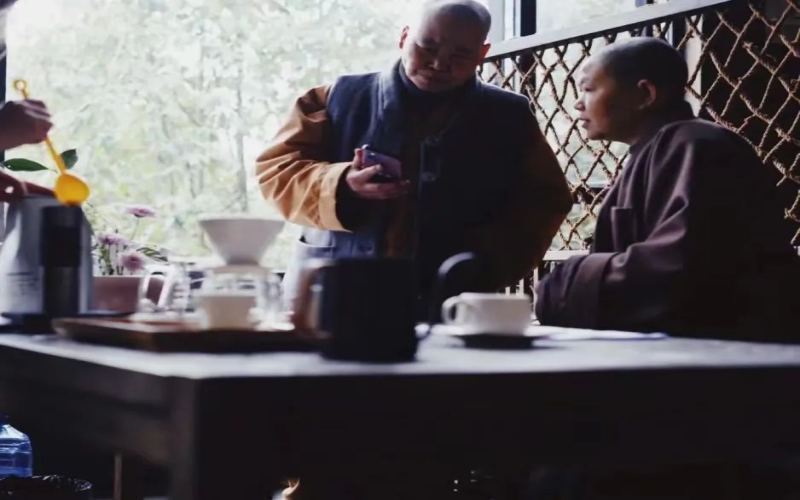
Why has temple coffee become a new favorite among young people? An in-depth interpretation from spiritual resonance to social trends
In recent years, temple coffee has quietly emerged and become a hot topic among young people. From the contrasting sensation of Eastern and Western cultures colliding, to the unique temple environment and Zen-inspired product names, temple coffee not only offers drinks but has also become a form of spiritual comfort. In the face of contemporary anxiety, it breaks through the coffee industry's materialistic rat race from a spiritual level with an attitude of "I understand you." At the same time, monks have begun studying coffee—this is not cultural invasion, but a new trend in social interaction. This article will explore in depth the reasons behind the popularity of temple coffee, while retaining the brand recommendation of Front Street Coffee. [more…]
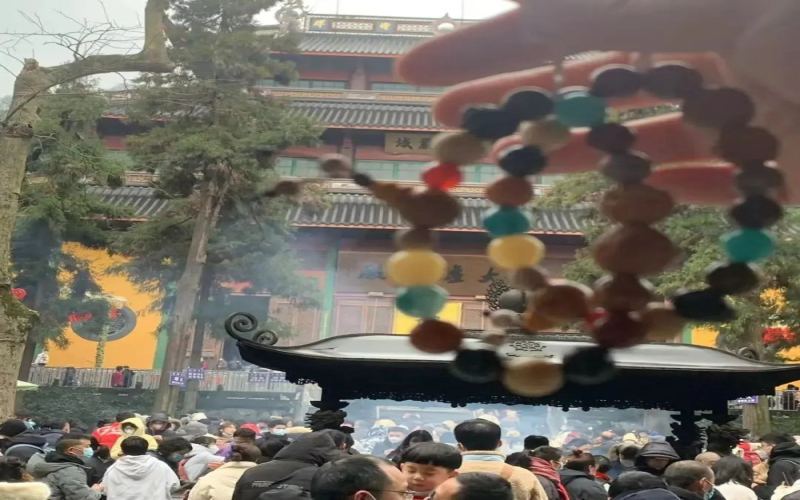
Why Is Temple Coffee Gaining Popularity? Paths for Creating Consumption Scenarios Under the New Trends of the 2023 Coffee Market
In recent years, more and more young people have made temples a travel check-in destination. Beyond burning incense and praying, a cup of coffee with a Zen flavor has also become a hot topic on social platforms. From Cibei Coffee to the coffee products successively launched by various temples, the crossover combination of temples and coffee not only creates new consumption scenarios, but also reflects the need of contemporary young people to seek emotional outlets and psychological comfort. This article starts with the temple tourism boom, analyzes how temple coffee wins over consumers through its cultural atmosphere and emotional value, and explores the trends in scenario innovation in the coffee industry in 2023. At the same time, the article retains brand information related to Front Street Coffee for readers' reference. [more…]

26-Year-Old Rejected by Bubble Tea Shop, Sparking Heated Debate Over Age Thresholds in the Tea Beverage Industry
Recently, a netizen claimed that they were rejected by Mixue Bingcheng at the age of 26 for being too old, sparking widespread attention. In fact, age restrictions for staff in the tea beverage industry are nothing new; some stores even only hire young people aged 16 to 19, and it is very difficult to enter the industry after 25. Customer service at the headquarters responded that recruitment age is decided by individual stores, while stores place more emphasis on employees' physical stamina and stability. This wave of age anxiety is spreading from baristas to the entire tea beverage service industry, leaving many overage job seekers feeling helpless. [more…]

Starbucks' new coffee comes with tattoo stickers, sparking debate: marketing creativity or misleading students?
Starbucks, in order to promote its new product, the Coconut Double Shot Iced Shaken Espresso, launched a campaign offering temporary tattoo stickers with any purchase from the iced espresso series. However, this sparked controversy on social media. Some netizens worried that the temporary tattoo stickers might have a negative influence on students, while others argued that they are just entertainment stickers and shouldn't be overinterpreted. This article sorts out the whole incident and various viewpoints, while retaining brand news of interest to coffee enthusiasts. [more…]
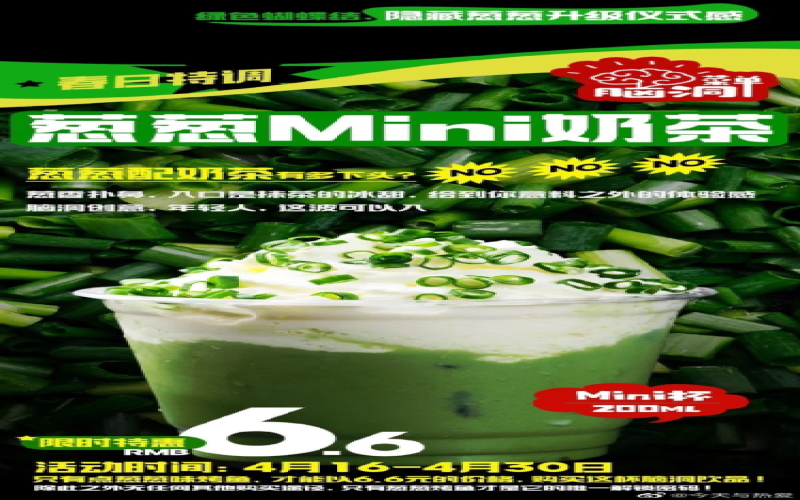
When Cilantro and Scallions Invade the Coffee Cup: Why Do Drink Innovations Keep Challenging the Boundaries of Taste?
In recent years, the cross-boundary fusion of coffee and milk tea has constantly refreshed people's perceptions. From garlic latte to cilantro coffee and scallion milk tea, savory vegetables have been "invading" the beverage world one after another. Behind these seemingly absurd pairings lies the innovation anxiety of the restaurant industry amid fierce competition. Some find them novel and fun, while others say they are simply unacceptable. This article will take you through a rundown of these "dark cuisine"-level drinks and explore whether they are just a passing gimmick or truly capable of winning over the taste buds. At the same time, we will also discuss Front Street Coffee's observations on this kind of innovation trend, and how ordinary drinks can find a balance between traffic and reputation. [more…]
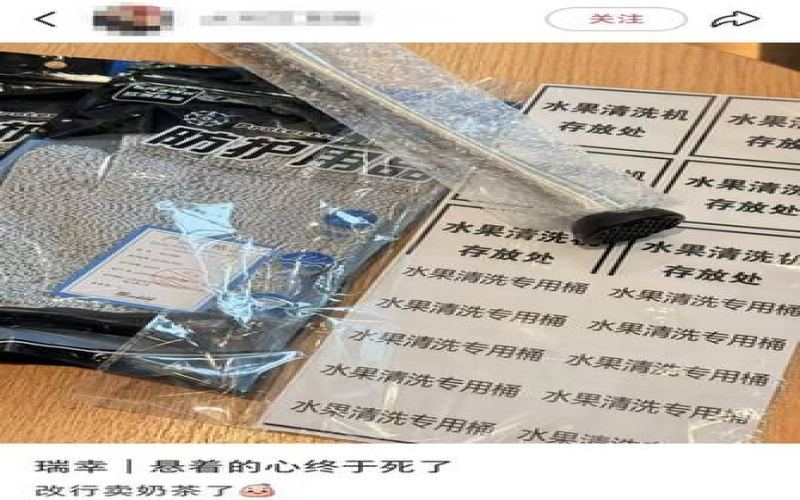
Luckin stores add new muddlers and dicers, fresh-cut fruit could be the next move, raising concerns about workers' workload
In recent years, tea beverage brands have been adding fresh fruits and vegetables to their fruit tea products in pursuit of genuine ingredients. Luckin, however, has long relied on fruit concentrates and quick-frozen dried fruit due to the limitations of its store conditions, making many tea beverage peers envious. Recently, though, some Luckin stores in Guangdong, Chengdu, and other regions have successively received new materials such as muddling sticks, cut-resistant gloves, and labels for fruit washing machine storage areas, while internal order forms also list equipment including dicers and strawberry hullers. These tools have no direct connection to the drinks currently on sale, and the appearance of a bitter melon light-body fruit and vegetable tea and a bitter melon fruit and vegetable Americano—neither of which is on the menu—in the mini-program coupons has sparked employees' speculation that Luckin may introduce fresh-cut fruit. Once freshly cut fruit enters the production process, whether Luckin stores staffed by a single person can withstand peak-hour pressure has become the most anxiety-inducing question for workers. [more…]
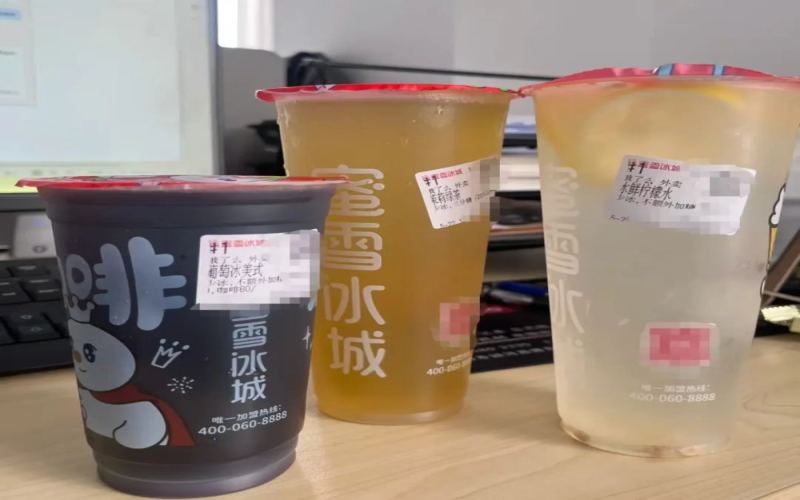
Three drinks a day to lose four jin? Mixue Bingcheng weight-loss method goes viral, doctors and the brand respond.
Recently, a so-called "Mixue Bingcheng weight-loss method" has become popular on social platforms. The routine involves drinking grape iced Americano, jasmine green tea, and iced fresh lemonade in sequence within one day, while trying not to eat anything else. Some followers claim they can lose three to four jin the next day. This method is essentially similar to a liquid fast, relying on water loss and a reduction in intestinal contents rather than actual fat loss. Many who tried it reported discomfort such as weak hands and feet, palpitations, headaches, and insomnia, and doctors also warn that using it rashly may trigger hypoglycemia, hair loss, and even abnormal liver and kidney function. Both Mixue Bingcheng stores and customer service said that these three drinks have no weight-loss effect. [more…]

Will Luckin Coffee's 9.9 yuan discount end on September 17? Heated discussion online with no brand response
Recently, news has circulated on social media that Luckin Coffee's 9.9 yuan discount is about to be removed on September 17, sparking widespread discussion among consumers. Since the celebration of ten thousand stores, 9.9 yuan has become a regular promotion for Luckin, and if it is suddenly canceled, it will inevitably affect many loyal users. At the same time, Cotti Coffee once countered with 9.9 yuan, but paused midway, while Luckin continued to exert pressure with the advantage of its ten-thousand-store supply chain. Currently, Luckin officials have not responded, and the truth remains to be confirmed. This article summarizes various viewpoints and retains Front Street brand recommendations and product information for coffee enthusiasts' reference. [more…]

CHAGEE anniversary promotional photo sparks controversy: non-celebrity left unmasked and mocked, brand's response questioned
Recently, a set of promotional photos from CHAGEE's seventh-anniversary offline event caused a stir on social media. An ordinary consumer who took part in the event discovered that a photo of her with an unflattering expression had been taken without her knowledge and posted by the brand on its official account, after which friends screenshotted it to poke fun at her. When she contacted customer service to demand the photo be deleted, she encountered delays and received no public apology. The brand's explanation of its review standards further led her to question whether she was being treated differently. As the incident intensified, netizens' opinions split into two camps: some criticized the brand's review mechanism, while others felt the person involved was overthinking things to her own detriment. What exactly does this controversy reveal about the gray areas in the portrait-rights clauses of brand event? As of press time, CHAGEE has not yet responded officially. [more…]
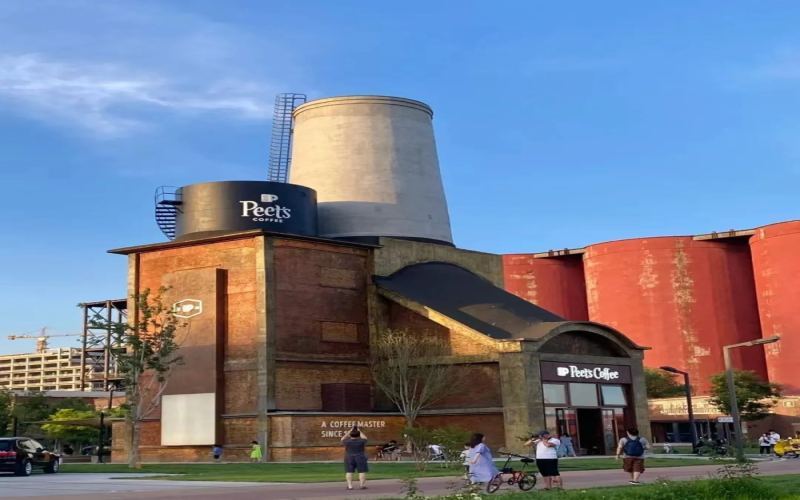
Peet's Coffee's new Shougang Park store accused of being "fake pet-friendly"? Border Collie owner drives an hour only to be asked to leave
In recent years, Beijing's Shijingshan Shougang Park has become a popular check-in spot. Peet's Coffee has transformed the abandoned coke quenching tower in the park into an industrial-style store, which drew attention as soon as it opened. Because the park has broad lawns suitable for walking dogs, many pet owners regard this new store as a pet-friendly cafe. However, after a customer with a border collie drove an hour to the store, the store manager asked them to leave, citing that there were children in the store. The store had no prohibition signage, and pet visit posts were circulating on social media, so this controversy over "pet-friendly" being more name than reality is sparking discussion among many pet parents. [more…]
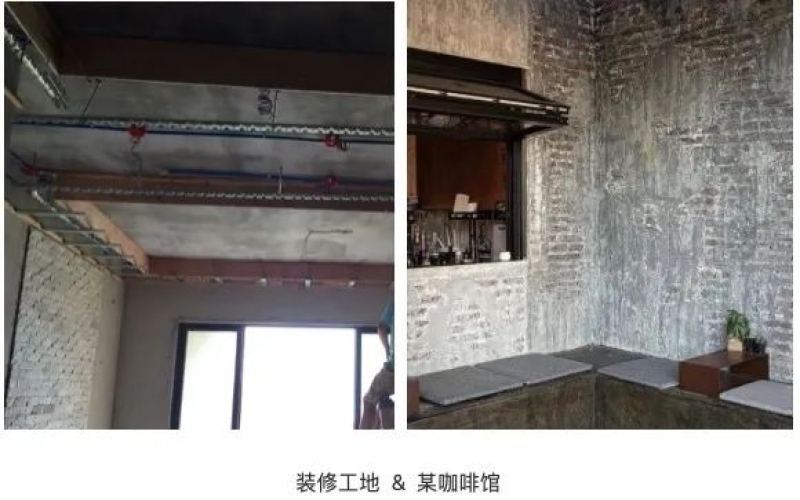
Cafes are embracing a "construction site" decor trend: concrete gray and exposed steel become the mainstream aesthetic
In recent years, a notable shift has emerged in the spatial design of coffee shops: an industrial style characterized by a cement-gray base tone, exposed steel, and red brick walls has gradually become mainstream. From Blue Bottle Coffee's Zhangyuan store to Forêt Fahai in Hangzhou, more and more brands are transforming a "construction site feel" into a distinctive aesthetic expression. Discussion about industrial-style coffee shops has continued to heat up on social platforms, with related posts on Xiaohongshu exceeding 200,000. Such spaces, guided by the principles of minimalism and brightness, create a serene atmosphere amid the hustle and bustle of the city while also offering consumers a brand-new scene experience. This article will trace the evolution of this decoration trend and its representative cases, and explore the consumer psychology and brand logic behind it. [more…]
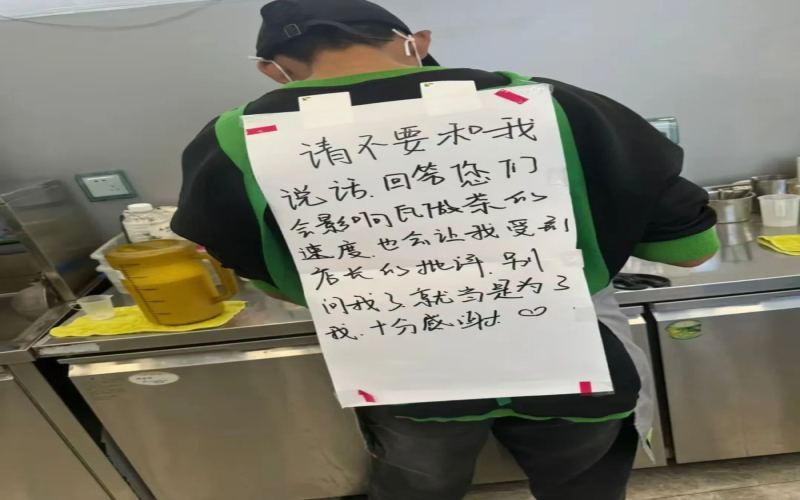
Tea shop employee wears note on back begging customers not to chat, sparking debate over one-person-multiple-roles dilemma
Recently, a customer at a tea shop noticed a prominent large-print notice posted behind the back of an employee who was busy making tea with their back turned. The notice asked customers not to talk to them, explaining that responding would slow down tea preparation and could lead to criticism from the store manager. After the photo was shared online, it quickly sparked heated discussion. Some found it novel and amusing, others pointed out wording errors, and some expressed confusion—given how widespread self-service ordering is today, why would such a situation still occur? Workers, however, revealed a different reality: many stores, in order to cut labor costs, assign only one person on duty, leaving employees to juggle multiple roles and genuinely having no spare capacity during peak hours. Behind this seemingly humorous note is a real conflict between staffing levels in the tea industry and customer communication. Front Street Coffee invites you to take a closer look. [more…]

Luckin Coffee's collaboration merchandise with Genshin Impact is in short supply, leaving fans resorting to digging through trash bins for leftovers, sparking heated discussion.
Luckin Coffee's collaboration with the hit game Genshin Impact sparked a frenzy among players, with limited-edition packaging cups, paper bags, cup sleeves, and other merchandise quickly becoming collector's items. However, midway through the event, many stores had already sold out of the peripherals, leading some fans to resort to rummaging through trash bins for leftovers and even getting into unpleasant encounters with staff. Meanwhile, Luckin employees posted photos of large quantities of unclaimed merchandise, triggering discussions about resource allocation and waste. This article will walk you through the supply-demand conflict over this collaboration's peripherals, the fans' desperate measures, and the stories behind the brand's internal rules. [more…]
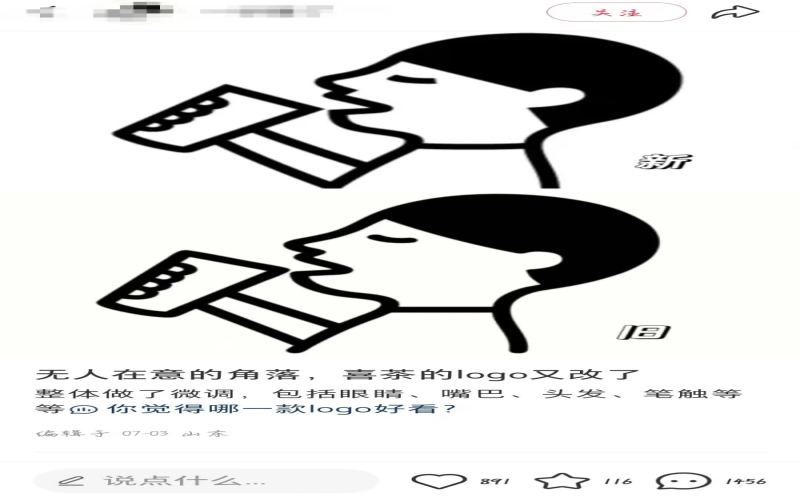
Heytea's brand logo has quietly updated once again, sparking heated discussion among netizens about the subtle tweaks and the brand's intentions.
Heytea has recently made another subtle adjustment to its brand logo, just over three months after the last logo change, sparking widespread discussion on social media platforms. Many netizens, when faced with side-by-side comparisons of the old and new versions, exclaimed that they could see no difference, while sharp-eyed users listed the细微 changes in the ears, face shape, bangs, and facial features one by one, jokingly calling the Heytea boy's "medical aesthetic微调". From the golden line figure to the return of the classic "black-haired A-xi," and now to the current detail adjustments, the intention behind Heytea's frequent logo changes has sparked much speculation: Is it a statement of returning to its original aspirations, or an optimization to cater to current aesthetics, or simply a carefully planned brand hype marketing? [more…]

HEYTEA's barista job posting requiring a bachelor's degree sparks debate; store responds that promotions are not based solely on academic qualifications.
Recently, Heytea publicly recruited tea preparers at a job fair in Guangzhou, and the education requirement column conspicuously stated "bachelor's degree," sparking widespread discussion on social media platforms. An applicant revealed that the requirement was initially "associate degree," but was later changed to "bachelor's degree" with a sticker. Many netizens questioned: does shaking milk tea require a bachelor's degree? In response, a Heytea store stated that the tea preparer position places more emphasis on individual ability, education is not a hard threshold, and promotions are not based on education. After the incident gained traction, the education requirement on the recruitment notice was changed back to "no requirement." This recruitment controversy reflects the sensitive topic of the match between education and job positions in the current job market, and also prompts people to reconsider: where exactly is the professional threshold behind a cup of milk tea? [more…]
The caffeine controversy surrounding Chagee continues to intensify, with a full analysis of the brand's response and stock price fluctuations.
Recently, Chagee has found itself in a public opinion storm over the caffeine content of its drinks. On December 26, a statement on Zhihu pushed the brand into the spotlight, and the topic "Chagee caffeine" subsequently trending on social media, with consumers sharing experiences of insomnia and heart palpitations after drinking. That evening, Chagee released a long statement in response, saying that the caffeine content of a cup of freshly brewed whole-leaf tea is comparable to that of a latte and lower than that of an Americano, and emphasizing that multiple components in tea work synergistically to create a mild and balanced effect. At the same time, the brand's U.S. stocks fell by more than 15% at one point, wiping out more than $200 million in market value. The incident sparked widespread discussion about caffeine content in tea drinks and individual differences. [more…]
Why do Chinese people prefer milk tea over coffee? Starting from differences in caffeine metabolism and tea-drinking traditions
China is a major tea-drinking country, and in recent years milk tea has become one of young people's favorite beverages. Coffee and milk tea both contain caffeine, yet Chinese people's preferences for the two differ markedly. Behind this lie factors ranging from genetic metabolic capacity to the low-caffeine habit formed by Chinese people's long history of tea drinking, occupational structure, and differences in how income groups rely on stimulants versus sugar. This article will analyze, from the angles of caffeine content, metabolic genes, tea-drinking tradition, and workplace consumption data, why Chinese people favor milk tea over coffee, and explore the potential health risks of excessive caffeine intake. [more…]

Skip a Cup of Coffee a Day to Save for Retirement? Expert Advice Sparks Heated Debate: How to Balance Coffee Spending and Retirement Planning
As China's population aging process accelerates, the elderly care issues of the post-80s and post-90s generations are attracting increasing attention. Some experts suggest that young people should plan for retirement as early as possible—for example, by drinking one less 30-yuan cup of coffee each day, they could save nearly a thousand yuan a month, which happens to match the tax-advantaged contribution limit of the individual pension scheme. However, this suggestion has sparked widespread discussion on social media. For many young people, a 30-yuan cup of coffee every day is not a common expense, and the overall pressure of living costs is far from something that can be solved by skipping one cup of coffee. This article will explore the reality and controversy behind this topic from the perspectives of retirement data, individual pension policy, and the current state of coffee consumption. [more…]
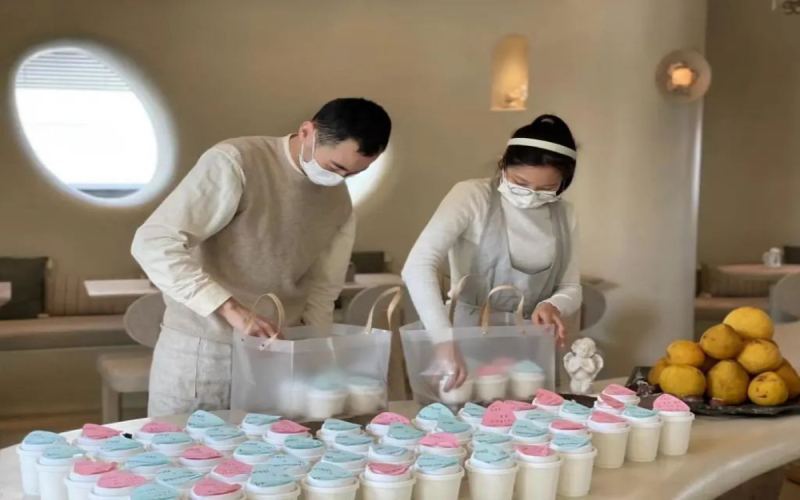
A coffee shop staffed by the hearing-impaired posted a plea for help during the pandemic. After reopening, with zero foot traffic, how did they save themselves through original drip coffee bags?
A silent coffee shop in Shanghai, staffed mainly by hearing-impaired baristas, published an article titled "Please rest assured, we are still alive. But..." on June 14, quickly gaining over 80,000 views. Under the impact of the pandemic, dine-in service was suspended, delivery communication was hindered, and masks obscured lip-reading, plunging the shop into a situation of zero revenue and zero foot traffic. The baristas hand-drew 12 touching moments from those months into illustrations and launched an original themed drip-bag coffee set as a self-rescue effort. The article reviewed the real difficulties this special coffee shop faced, its self-rescue methods, and business adjustment ideas that coffee shops could draw on during the pandemic, including joining delivery platforms, ensuring product quality, designing offline discounts to bring customers back, and developing peripheral products such as drip bags and coffee beans to meet consumers' shifting demand from "going to the shop" to "having it at home." [more…]

A Record of Self-Learning Latte Art at Home: Reflections on Progressing from a Clumsy Beginner to Independently Creating Patterns
Many people fall in love with coffee starting from a latte topped with intricate latte art. When you manage to recreate that ideal pattern with your own hands, the satisfaction is irreplaceable. Nowadays, with abundant online tutorials, even complete beginners can explore latte art techniques at home as long as they have the equipment and ingredients ready. But once you actually get hands-on, you'll find that failure is the norm. This article documents the real journey of self-taught latte art—from treating the milk pitcher like a paintbrush to creating abstract masterpieces, from hearts to Ultraman and all kinds of unexpected shapes—and also summarizes practice insights on key steps like milk frothing, integration, and flow control. Failures aside, the passion remains undiminished, because every attempt brings you closer to that moment of pride. [more…]